Worldwide Delivery
Close
  • Register
  • Log in
  • Shopping cart
Planitree
Close
  • Home
  • Products
    Site
    Picture for category Site
    Structure
    Picture for category Structure
    Enclosure
    Picture for category Enclosure
    Interior
    Picture for category Interior
    Finish
    Picture for category Finish
    Mechanical
    Picture for category Mechanical
    Hydraulic
    Picture for category Hydraulic
    Electrical
    Picture for category Electrical
  • News
  • Contact
Menu
  • Home
  • Products
    • Back
    • Site
    • Structure
    • Enclosure
    • Interior
    • Finish
    • Mechanical
    • Hydraulic
    • Electrical
  • News
  • Contact
Close
Cart 0
You have no items in your shopping cart.
Menu
Personal menu
Planitree
Search
0
  • Home /
  • Structure /
  • Masonry /
  • Brick Construction
 

SDG 3 Good Health and Well-Being

Picture for vendor SDG 3 Good Health and Well-Being

SDG 8 Decent Work and Economic Growth

Picture for vendor SDG 8 Decent Work and Economic Growth

SDG 11 Sustainable Cities and Communities

Picture for vendor SDG 11 Sustainable Cities and Communities

SDG 12 Responsible Consumption and Production

Picture for vendor SDG 12 Responsible Consumption and Production

SDG 13 Climate Action

Picture for vendor SDG 13 Climate Action

SDG 15 Life on Land

Picture for vendor SDG 15 Life on Land

Brick Construction

Picture of Brick Construction

Brick Construction

Request A Quote
Brick construction is a timeless method of building that has been utilized for centuries due to its durability, ability to withstand various weather conditions, versatility, and aesthetic appeal. Whether it's for residential, commercial, or industrial purposes, brick construction offers structural integrity and a classic look that stands the test of time.
  • Overview
  • Sustainability
  • Specifications
  • Attachments

Brick construction can be an integral part of sustainable design due to its numerous eco-friendly properties. Firstly, bricks are typically made from natural materials such as clay or shale, reducing the environmental impact associated with extraction and processing. Additionally, brick buildings have excellent thermal mass properties, helping to regulate indoor temperatures and reduce the need for artificial heating and cooling. This can result in lower energy consumption and reduced carbon emissions over the lifetime of the building. Brick construction is also durable and long-lasting, requiring minimal maintenance compared to other building materials. This longevity reduces the need for frequent repairs and replacements, ultimately decreasing resource consumption and waste generation. Additionally, bricks can often be recycled or repurposed at the end of a building's life, further reducing its environmental footprint. In terms of design, brick construction offers flexibility and adaptability, allowing for innovative approaches to sustainable architecture. Incorporating features such as passive solar design, natural ventilation, and rainwater harvesting systems can enhance the sustainability of brick buildings, maximizing energy efficiency and minimizing resource consumption. Brick constructions use of natural recyclable materials and integration of sustainable design principles, architects and builders can create environmentally responsible structures that contribute to a more sustainable built environment.
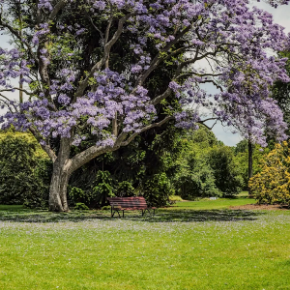
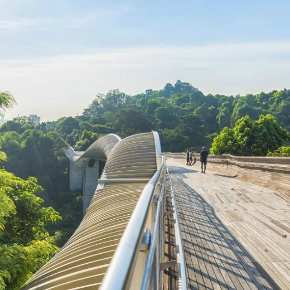
Brick construction can be an integral part of sustainable design due to its numerous eco-friendly properties. Firstly, bricks are typically made from natural materials such as clay or shale, reducing the environmental impact associated with extraction and processing. Additionally, brick buildings have excellent thermal mass properties, helping to regulate indoor temperatures and reduce the need for artificial heating and cooling. This can result in lower energy consumption and reduced carbon emissions over the lifetime of the building. Brick construction is also durable and long-lasting, requiring minimal maintenance compared to other building materials. This longevity reduces the need for frequent repairs and replacements, ultimately decreasing resource consumption and waste generation. Additionally, bricks can often be recycled or repurposed at the end of a building's life, further reducing its environmental footprint. In terms of design, brick construction offers flexibility and adaptability, allowing for innovative approaches to sustainable architecture. Incorporating features such as passive solar design, natural ventilation, and rainwater harvesting systems can enhance the sustainability of brick buildings, maximizing energy efficiency and minimizing resource consumption. Brick constructions use of natural recyclable materials and integration of sustainable design principles, architects and builders can create environmentally responsible structures that contribute to a more sustainable built environment.
Related products
Picture of Masonry

Masonry

Masonry involves constructing structures from individual units, such as bricks, stones, or concrete blocks, bound together by mortar. It's renowned for its durability, strength, and aesthetic appeal. Masonry techniques have evolved over centuries, combining tradition with modern innovation ensuring structures that stand the test of time.
Request A Quote
Picture of Earth

Earth

Earthen construction involves using natural materials like mud, clay, sand, and organic fibers to build sustainable structures. These materials are often formed into bricks or mixed together to create walls and other architectural elements, harnessing their natural properties for thermal regulation and environmental harmony. Earthen construction is a traditional building technique practiced worldwide for its affordability, sustainability, and cultural significance.
Request A Quote
Picture of Structural Timber

Structural Timber

Ensure sustainable structural timber by prioritizing certified, locally sourced wood from responsibly managed forests, supporting reforestation, and minimizing waste. Consider environmentally friendly preservatives, recognize timber's carbon sequestration role, and advocate for policies supporting sustainable forestry practices, collectively promoting responsible and sustainable construction practices.
Request A Quote
Picture of Glass

Glass

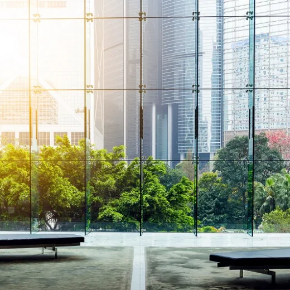
Glass can be sustainable by prioritizing recycling efforts to reduce the need for raw materials and energy consumption. Implementing energy-efficient manufacturing processes and utilizing renewable energy sources further minimize its environmental impact. Additionally, designing glass products for durability, optimizing transportation, and promoting responsible disposal practices contribute to overall sustainability efforts.
Request A Quote
Information
  • Privacy Notice
  • Conditions of Use
Customer service
  • FAQ
  • Join Planitree
  • Register
Selected offers
My account
Powered by nopCommerce
Copyright © 2026 Planitree. All rights reserved.

Our Solutions

Digital infrastructure for sustainable choices at scale.

For Buyers

Pathfinders

Free community membership with access to products and project opportunities.

Learn more →
For Buyers

Planitbuy

Managed procurement and supply chain services.

Learn more →
For Sellers

Pathways

Free entry to the global green building marketplace.

Learn more →
For Sellers

Planitsell

Premium seller subscriptions and storefront services.

Learn more →
Planitree

Digital infrastructure for sustainable choices at scale.

PRODUCTS

  • Site
  • Structure
  • Enclosure
  • Interior
  • Finish
  • Mechanical
  • Hydraulic
  • Electrical

SOLUTIONS

  • Pathfinders
  • Planitbuy
  • Pathways
  • Planitsell

RESOURCES

  • Blog
  • Projects
  • Plans
  • FAQ

COMPANY

  • About Us
  • Contact
  • Partners
  • Privacy
  • Terms
© 2026 Planitree Pty Ltd. All rights reserved.
Privacy PolicyTerms of UseFAQ