A Window into Wellness
Friday, 27 February 2026
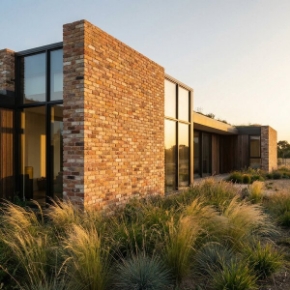
Sustainable windows and doors begin with responsibly sourced and low-embodied-carbon materials — FSC-certified timber, recycled aluminium, or fibreglass composites — paired with high-performance glazing such as double or triple glazing with low-emissivity (low-e) coatings. These technologies dramatically reduce heat transfer, cutting heating and cooling loads and the associated greenhouse gas emissions.
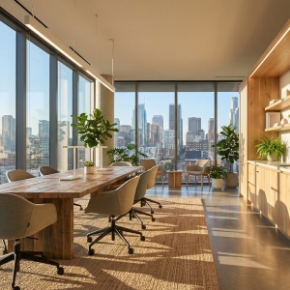
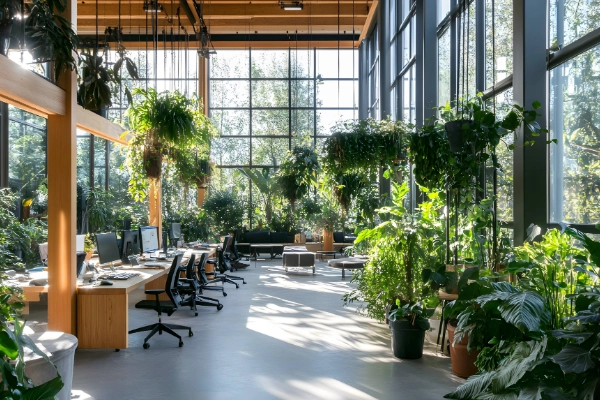
Sustainable furniture and furnishings, integral to biophilic design, prioritize eco-friendly materials and low-VOC finishes, promoting both environmental responsibility and indoor air quality. These choices not only reduce the ecological footprint of interior spaces but also enhance the connection with nature, fostering a healthier and aesthetically pleasing living environment.
Sustainable Partitions
Tuesday, 24 October 2023
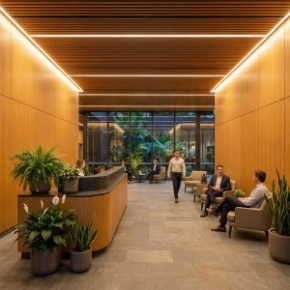
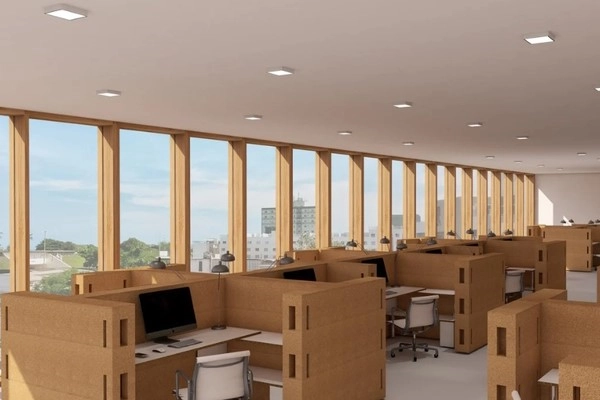
Sustainable partitions for commercial use are increasingly popular, with the new emphasis on eco-friendly materials. Natural materials such as bamboo, compressed straw reclaimed wood, and cork are gaining prominence for their aesthetic appeal and low environmental impact. These materials not only offer a warm and inviting atmosphere but also reduce the carbon footprint of partition construction. These sustainable choices reduce waste and promote a more environmentally responsible approach to interior design, aligning with the growing demand for greener and more sustainable office spaces.
Sustainable Cork Furniture
Tuesday, 21 February 2023
Cork is a material that has been used for centuries due to its unique properties, and it has now become an increasingly popular choice in the design and construction industries. It is a versatile, sustainable, and renewable material that offers numerous benefits to both the environment and society. One example of how cork is being used in innovative ways is through the Corkbrick modular office furniture system.
Natural Wool Insulation
Thursday, 15 December 2022
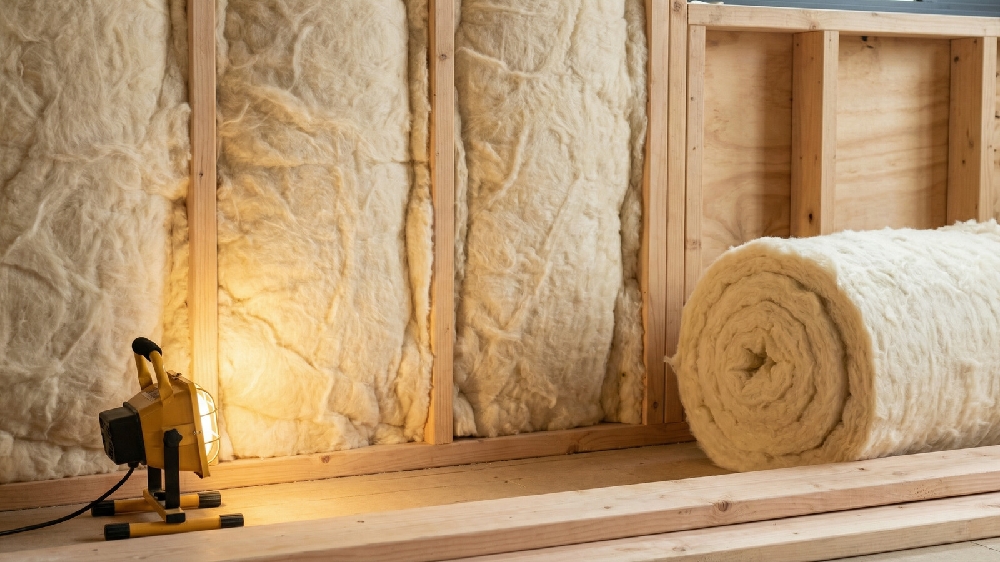
Natural wool insulation offers a breathable, non-toxic, and renewable way to improve thermal comfort while supporting healthier indoor environments and lower-impact building assemblies.
Insulation plays a central role in building performance, influencing energy efficiency, thermal stability, and occupant comfort. Natural wool insulation provides these benefits while also bringing a softer environmental profile than many conventional insulation products.
Wool is breathable and moisture-regulating, helping building assemblies manage condensation risk while maintaining indoor comfort. It also performs well acoustically, contributing to quieter and more comfortable interior environments.
From a health perspective, wool insulation can support better indoor air quality when specified in low-toxicity systems. Its natural origin and biodegradability also make it attractive for projects aiming to reduce reliance on petrochemical-based products.
For designers and builders seeking insulation solutions that support both performance and wellbeing, natural wool offers a practical and compelling option.
Explore
Learn more about natural wool insulation products.
Insulation
Choose Non-Toxic Paint
Tuesday, 15 November 2022
For interiors focused on wellbeing, non-toxic paints support cleaner indoor environments and complement broader healthy-material strategies. They are especially relevant in schools, healthcare settings, homes, and projects where air quality is a priority.